

Ancient Clam Fossil Large in size

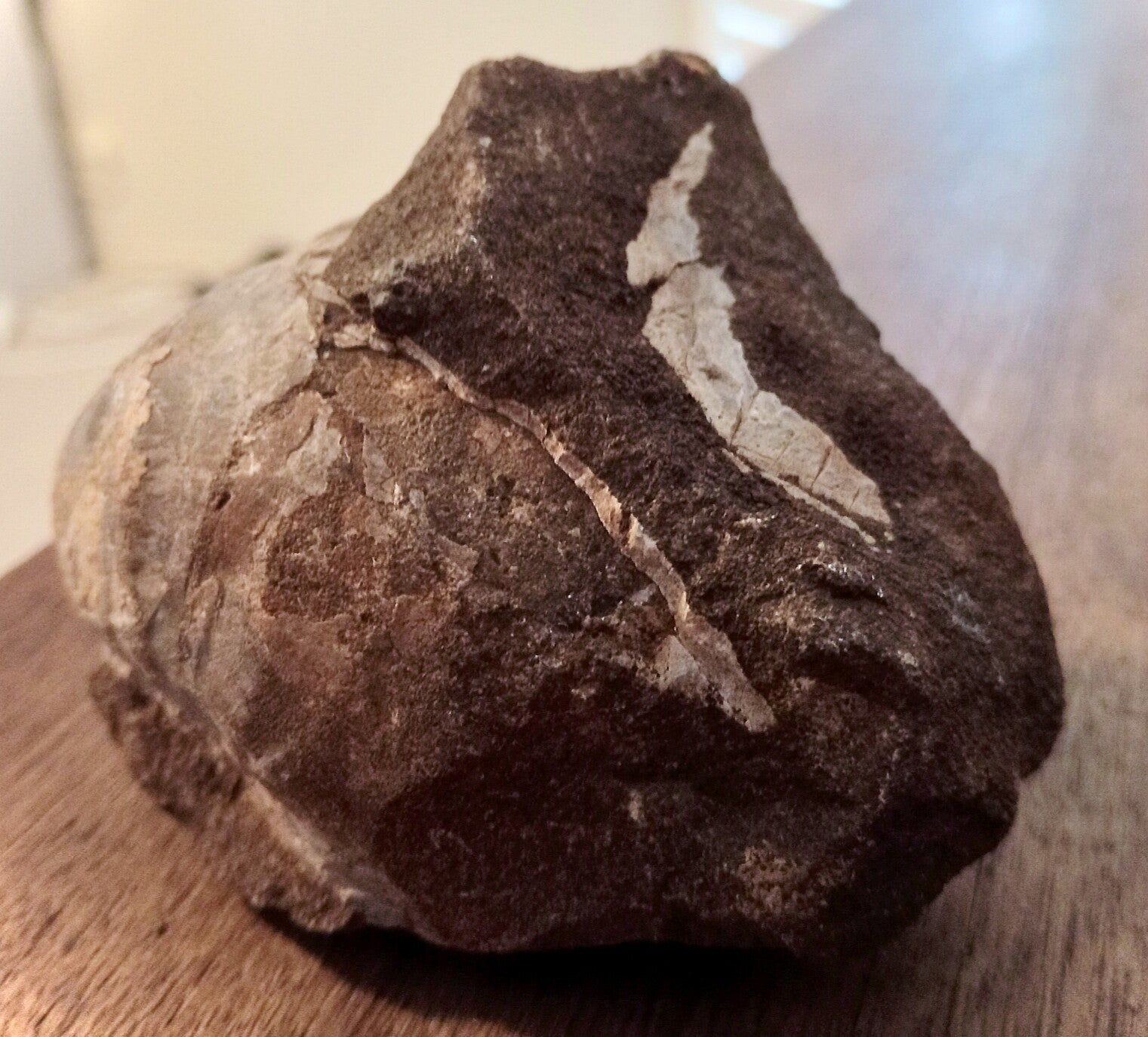

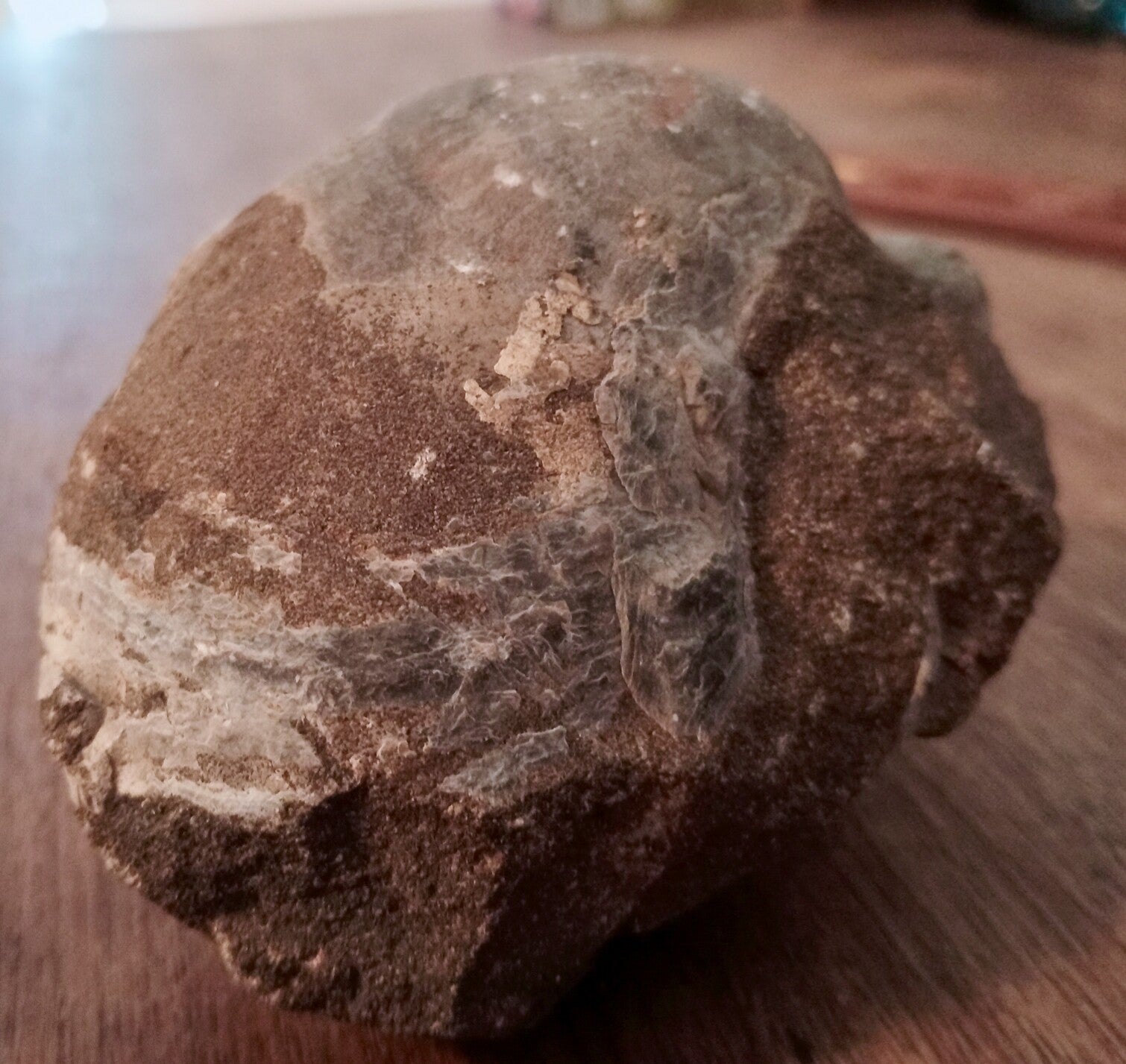
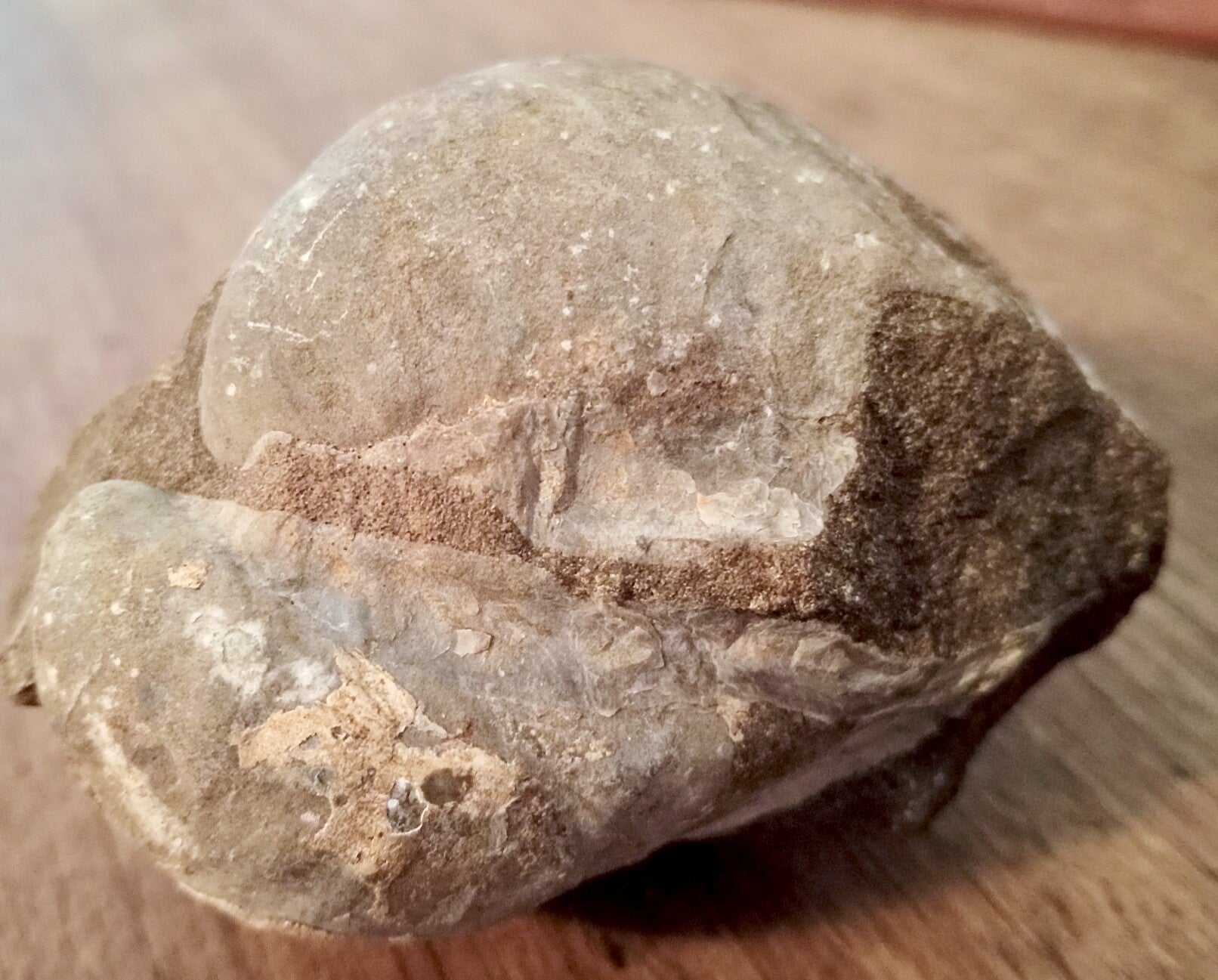
Fossil clam shells, particularly from the genus Inoceramus, are significant marine fossils from the Late Cretaceous period, providing insights into ancient marine environments.
Marine Fossil
Scientific Name: Inoceramus (genus)
Inoceramids are bivalves related to living clams and mussels and are one of the most common marine fossils of the Late Cretaceous. Large, diverse groups of Inoceramids lived in shallow waters and were epifaunal, covering the muddy seafloor like a carpet. This family of bivalve diversified rapidly during the Cenomanian and Turonian ages, branching out to more than 70 species over the course of just about 11 million years. Species ranged from a few centimeters to two meters (1-6.5 feet) in length. Their success continued for another 34 million years until the end of the Cretaceous period when they went extinct along with several other taxa.
What are Fossil Clam Shells?
Fossil clam shells are the preserved remains of bivalve mollusks, which include clams, oysters, and mussels. These fossils are typically found in sedimentary rock formations and can date back millions of years, with some of the most notable examples coming from the Cretaceous period.